
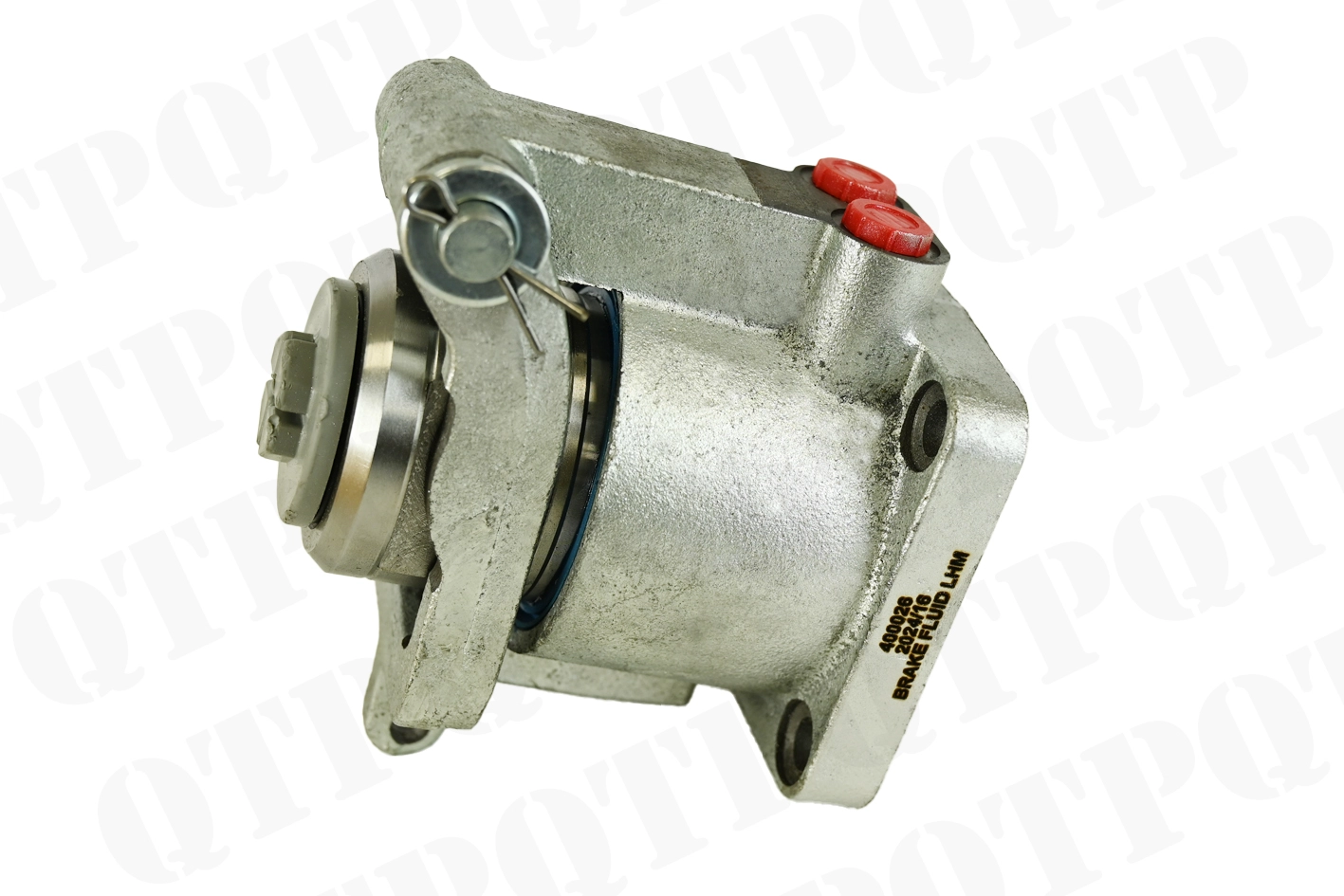
Description
When your tractor’s brakes feel spongy, take forever to engage, or you’re seeing brake fluid leaks around the wheels, a worn brake slave cylinder is often the culprit. This hydraulic component is the muscle behind your braking system—it takes pressure from your master cylinder and converts it into the mechanical force that actually stops your tractor. A fresh slave cylinder gets your brakes responding like they should, giving you the confidence you need whether you’re working steep ground or navigating busy farm roads.
What You’re Getting
- Precise 119mm x 90mm dimensions that match your original equipment specs exactly
- Quality hydraulic seals that maintain proper brake pressure and prevent fluid leaks
- Sturdy construction built to handle the constant cycling of daily brake use
- Direct replacement design—no modifications or adapters needed for installation
- Compatible with standard DOT brake fluid for reliable hydraulic operation
Built for Real Farm Work
This slave cylinder is designed for a wide range of New Holland tractors from the compact T3F series utility tractors up through the mid-size T4 and TDF models, plus several Case Farmall and CX series machines. Whether you’re running a T3.60F for general farm chores, operating a T4.100 for field work, or using a Workmaster for loader duties, this cylinder delivers the braking performance these versatile tractors were built to provide.
Made to Last
Farm tractors work in tough conditions, and brake components take a real beating from dust, moisture, vibration, and constant use. This cylinder features corrosion-resistant materials and precision-machined bore surfaces that maintain smooth operation season after season. The internal seals are designed to handle hydraulic pressure and temperature changes without failing when you need your brakes most.
Good to Know
Installation typically takes about an hour and requires bleeding the brake system to remove air. If you’re doing the work yourself, having a helper to pump the brake pedal while you bleed the lines makes the job much easier. Always use fresh brake fluid and check your brake lines while you’ve got everything apart—old, contaminated fluid can damage new seals quickly.
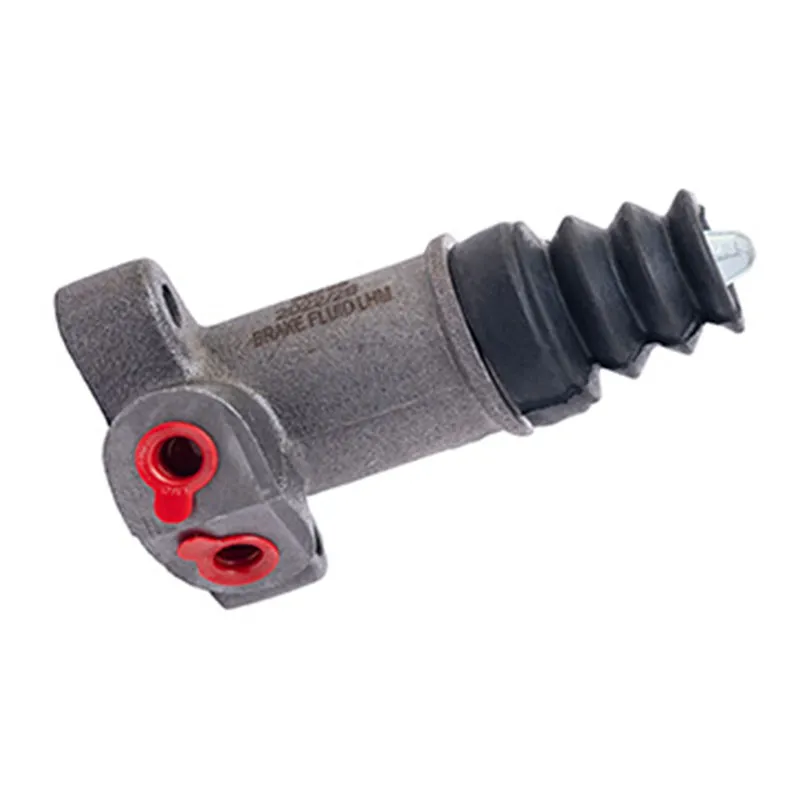
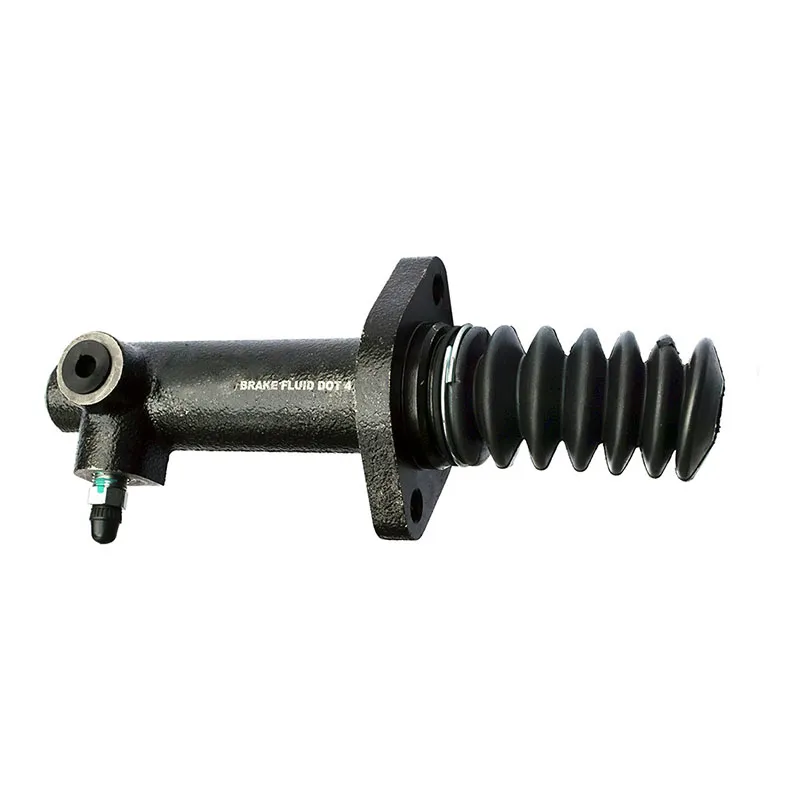
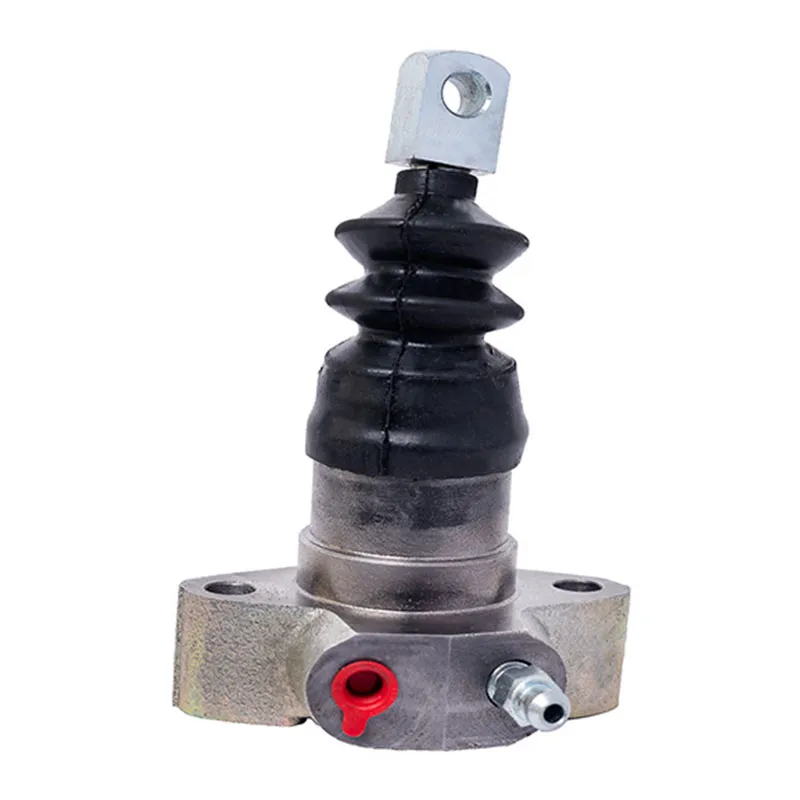
Reviews
There are no reviews yet.