
Description
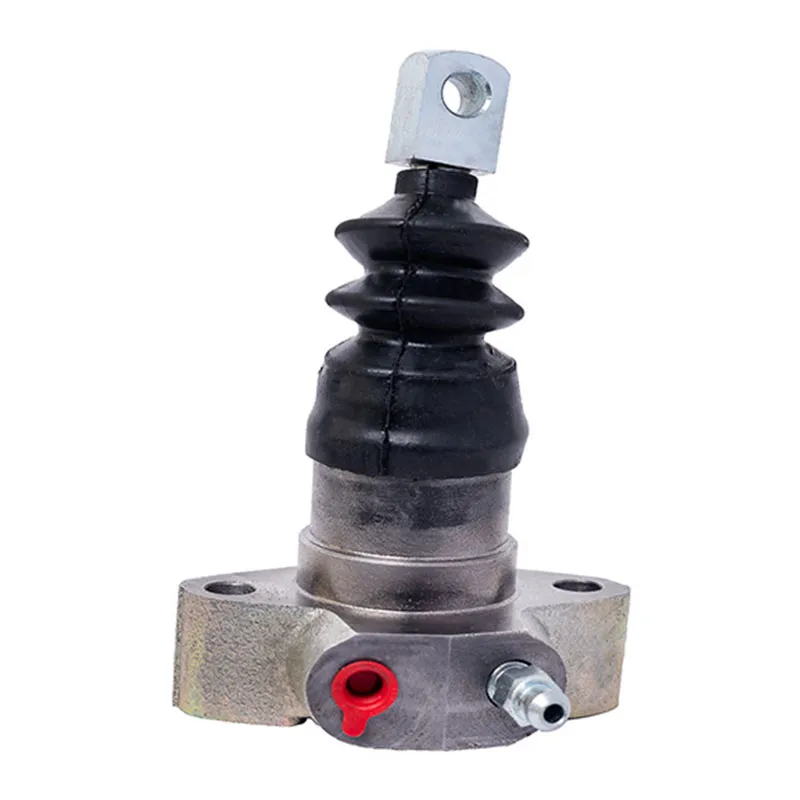
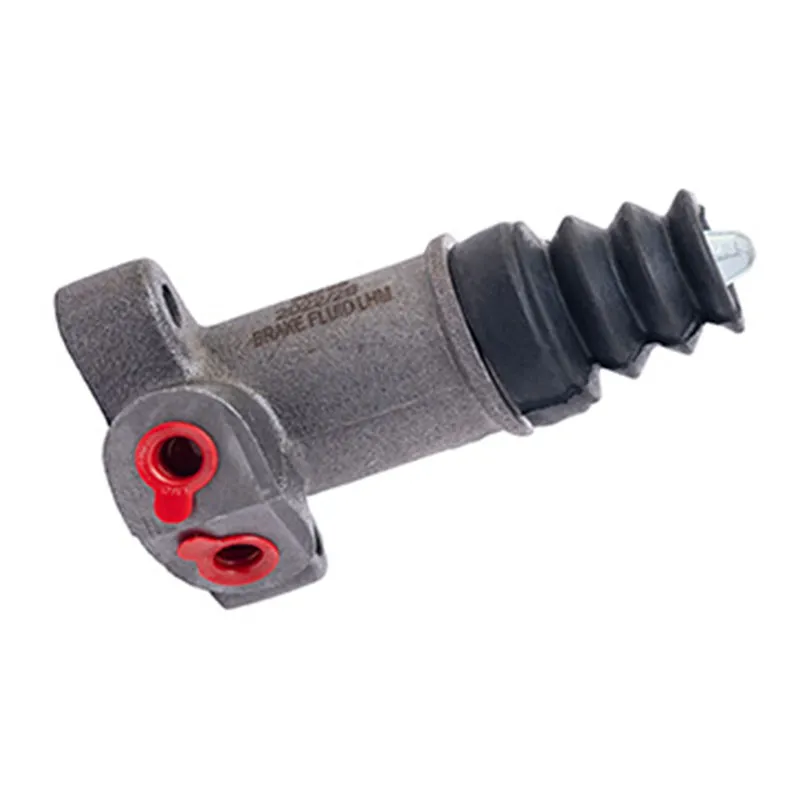
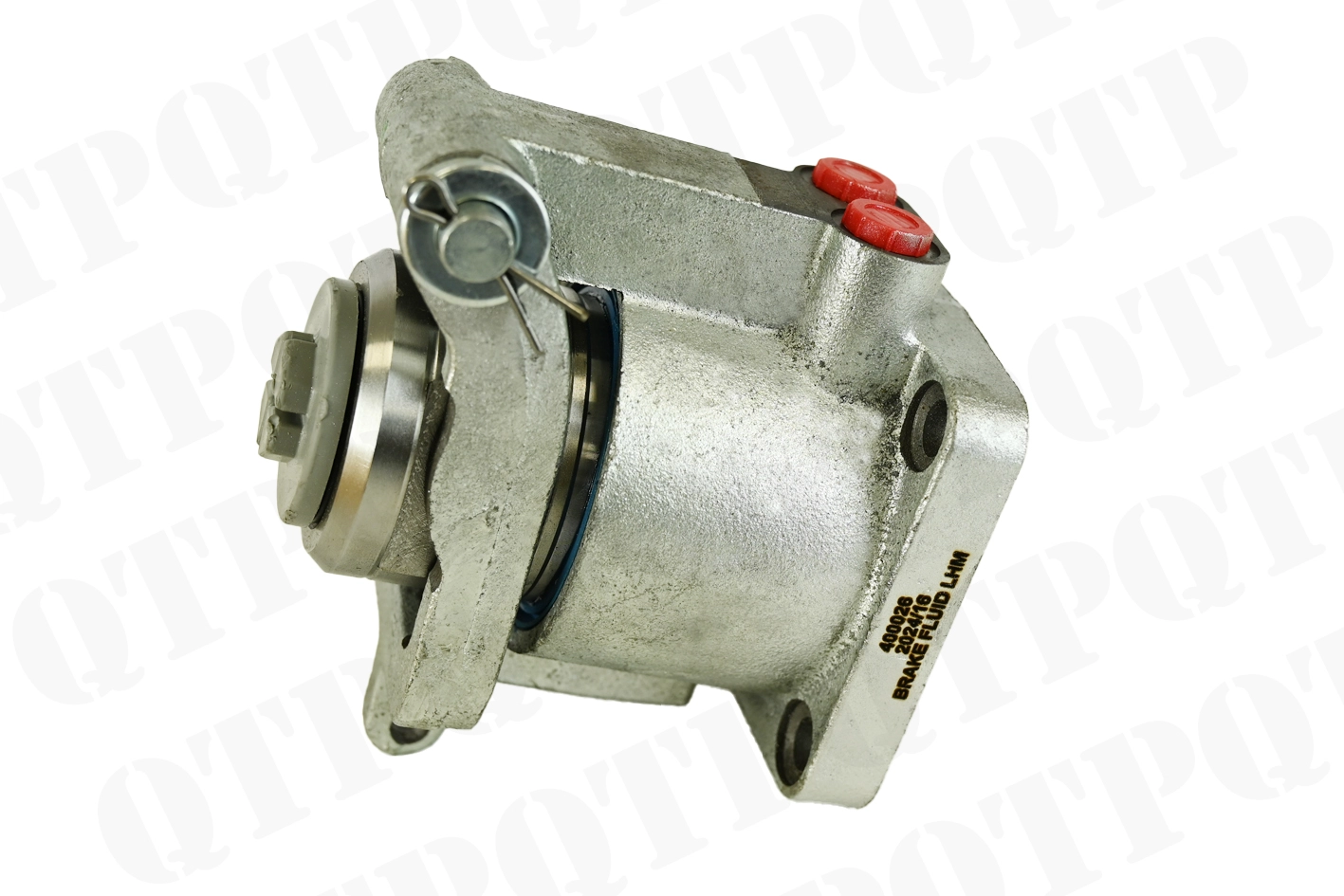
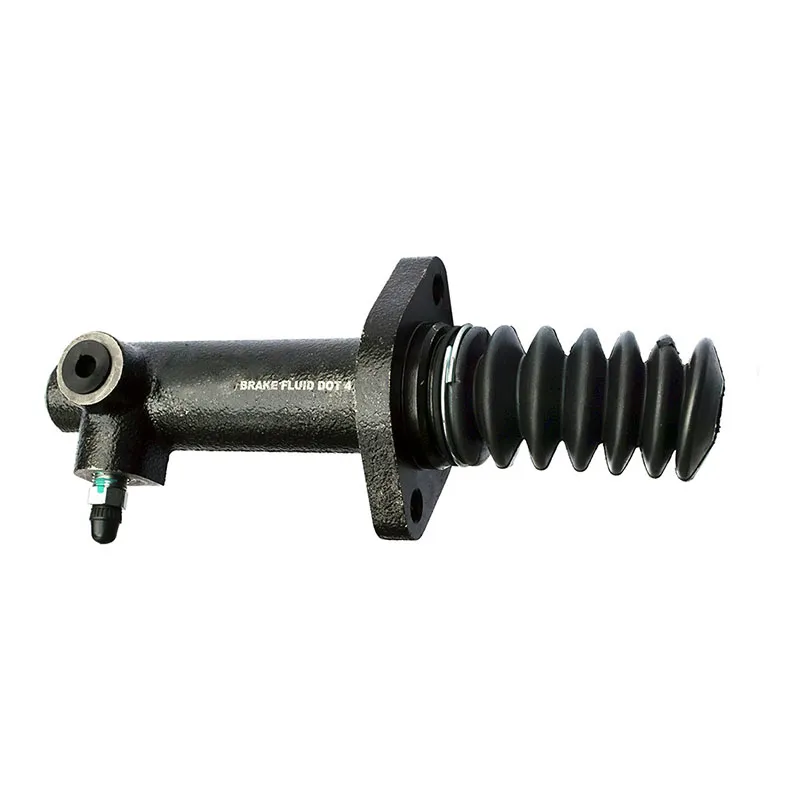
When you step on that brake pedal and nothing happens, or worse—you feel it sink to the floor—your brake slave cylinder is probably the culprit. This hydraulic component takes the pressure from your master cylinder and converts it into the force that actually stops your tractor. Without it working properly, you’re looking at dangerous brake failure when you need stopping power most, whether you’re hauling a loaded wagon down a hill or trying to stop quick in the farmyard.
What You’re Getting
- Direct replacement that restores proper hydraulic pressure for reliable braking
- Precision-machined cylinder bore that maintains consistent brake feel and response
- Quality seals specifically designed to work with DOT 3 brake fluid
- Heavy-duty construction built to handle the constant pressure cycles of farm work
- OEM-quality components that match original factory specifications
Built for Real Farm Work
This brake slave cylinder fits both Leyland and Marshall tractors from their heavy-duty series lineup. These British-built machines were designed for serious agricultural work—from the smaller 245 utility tractors up through the big 804 row-crop machines. Whether you’re running a Marshall 754XL for hay work or using a Leyland 702 for loader operations, proper brake function is essential for safe operation around the farm.
Made to Last
Farm tractors put brake systems through constant use—hills, heavy loads, muddy conditions, and stop-and-go field work all demand reliable stopping power. This slave cylinder features robust internal seals that resist the heat and pressure of agricultural use. The precision-machined bore maintains smooth piston movement and consistent brake pressure, even after thousands of brake applications.
Good to Know
Always use DOT 3 brake fluid as specified—other fluid types can damage the seals and cause brake failure. When replacing the slave cylinder, it’s smart to check your master cylinder and brake lines for signs of wear or contamination. Bleed the entire brake system thoroughly after installation to remove air, and always test your brakes in a safe area before returning to work. If you’re dealing with old, contaminated fluid, flush the complete system with fresh DOT 3 to protect your new cylinder.
Reviews
There are no reviews yet.