
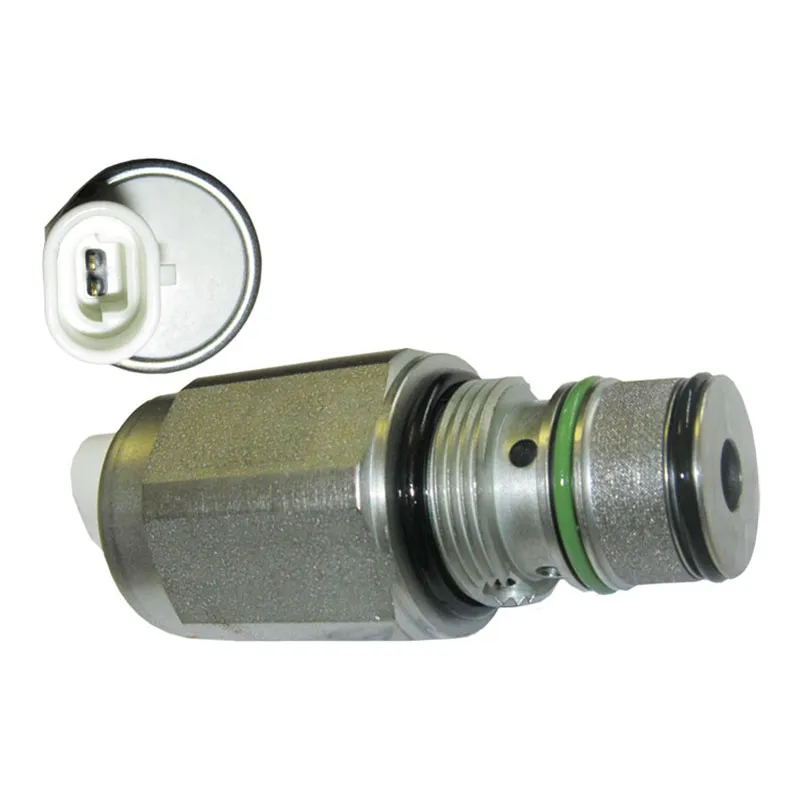
Description
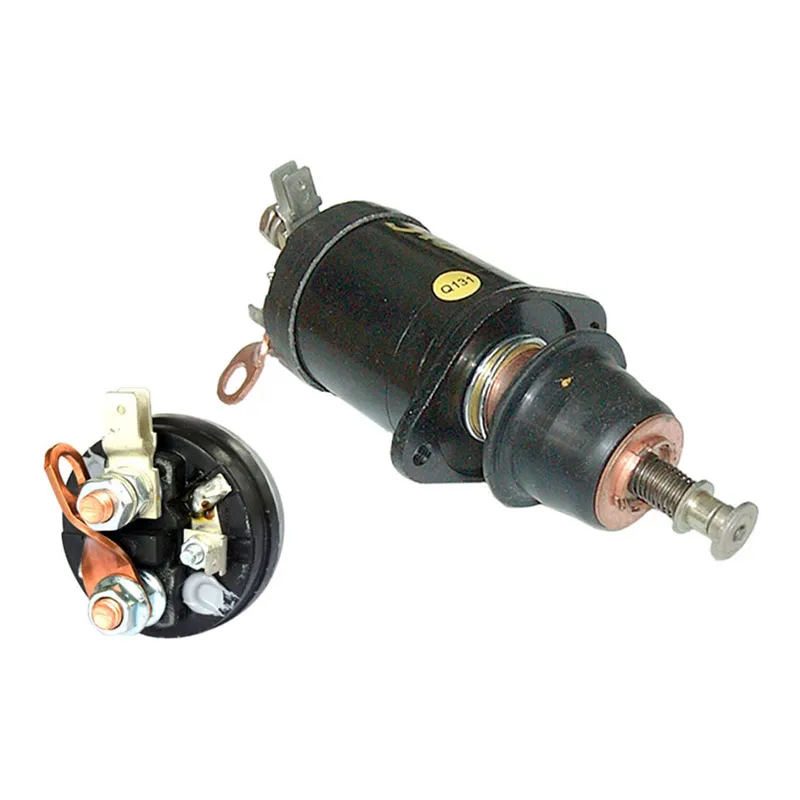
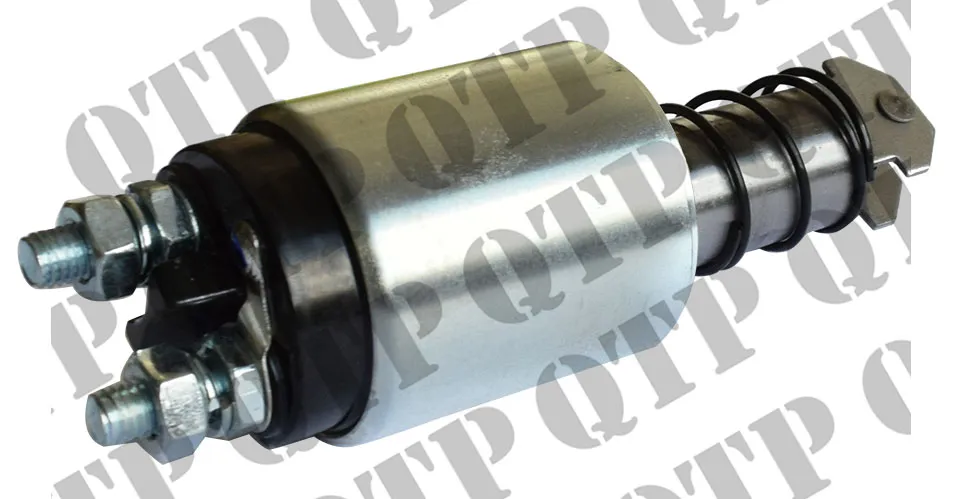
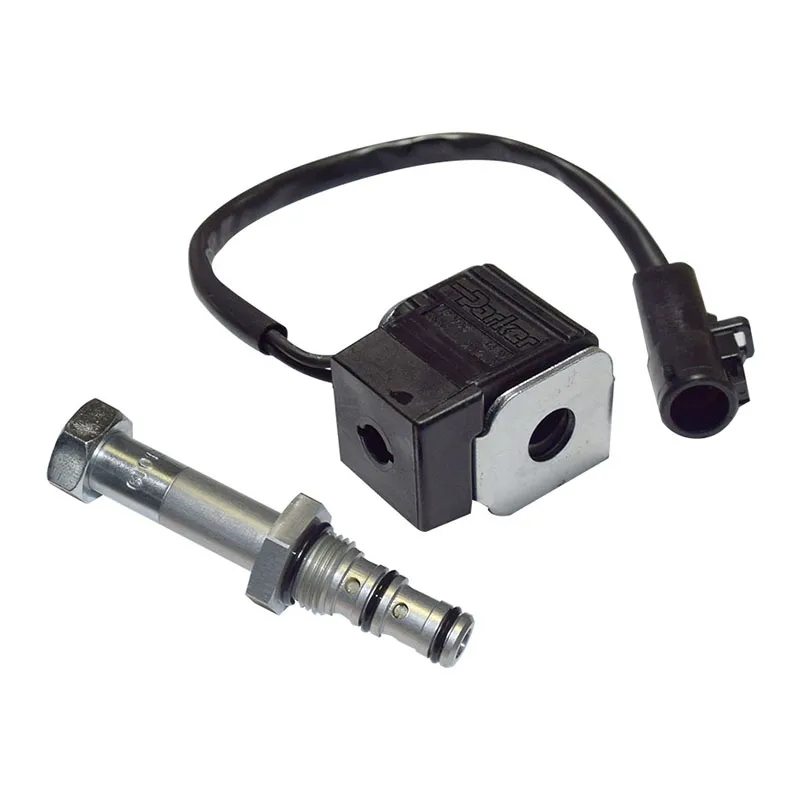
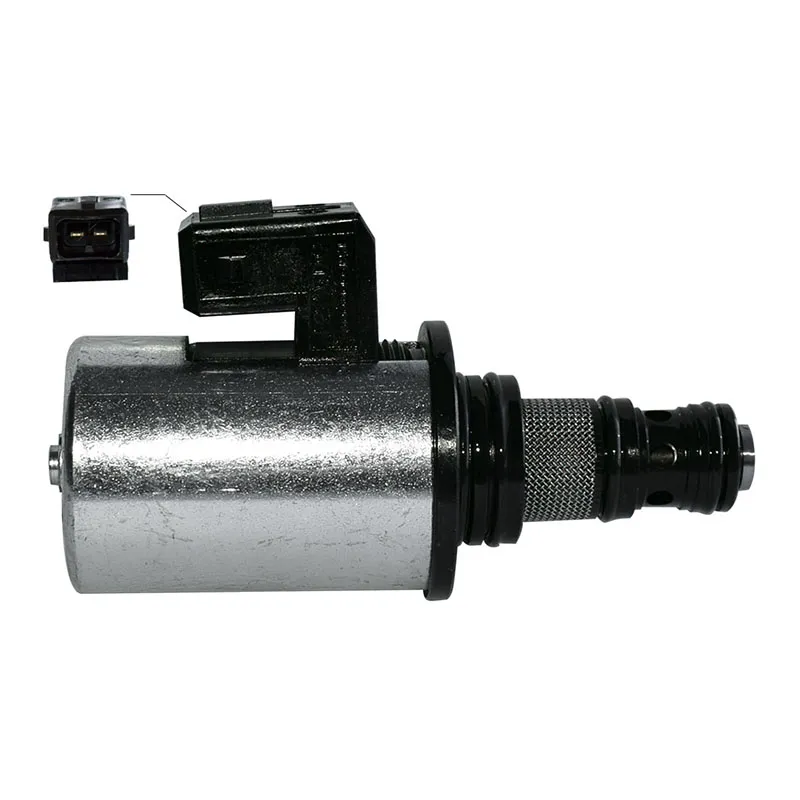
When your John Deere’s transmission starts acting up—maybe shifts are getting rough, hesitant, or just plain unpredictable—a failing solenoid coil is often hiding behind the trouble. This forward solenoid coil is the electrical component that tells your transmission valves when and how to shift, and when it goes bad, your smooth-operating powershift transmission turns into a headache. This replacement gets your hydraulic controls working right so you can get back to smooth shifting.
What You’re Getting
- Precise electromagnetic coil engineered for reliable hydraulic valve control
- Heavy-duty windings designed to handle constant energizing and de-energizing cycles
- Sealed construction keeps dirt and moisture out of the electrical components
- Direct replacement that restores proper transmission shift timing
- Built to handle the electrical demands of John Deere’s sophisticated transmission systems
Built for Real Farm Work
This solenoid coil fits John Deere 6020, 6030, and 7030 series tractors with powershift transmissions. Whether you’re running a 6420 with a loader, pulling implements with a 6630, or covering ground with a 7530, these tractors depend on precise hydraulic control for their multi-speed transmissions. The coil works with the transmission’s valve body to manage hydraulic pressure that controls clutch packs and shift timing.
Made to Last
Transmission solenoids live in a tough environment—constant vibration, temperature swings, and electrical cycling every time you shift. This replacement coil uses quality windings and robust construction to maintain consistent magnetic force even after thousands of shift cycles. The sealed design protects the electrical components from hydraulic fluid and contamination that can cause premature failure.
Good to Know
Replacing a transmission solenoid usually requires some hydraulic system work, so it’s a good time to change your transmission filter and fluid if they’re due. Make sure you relieve hydraulic pressure before starting the job. If you’ve been having transmission problems for a while, check for metal particles in the old fluid—that might indicate other issues that need attention.
Reviews
There are no reviews yet.