
Description
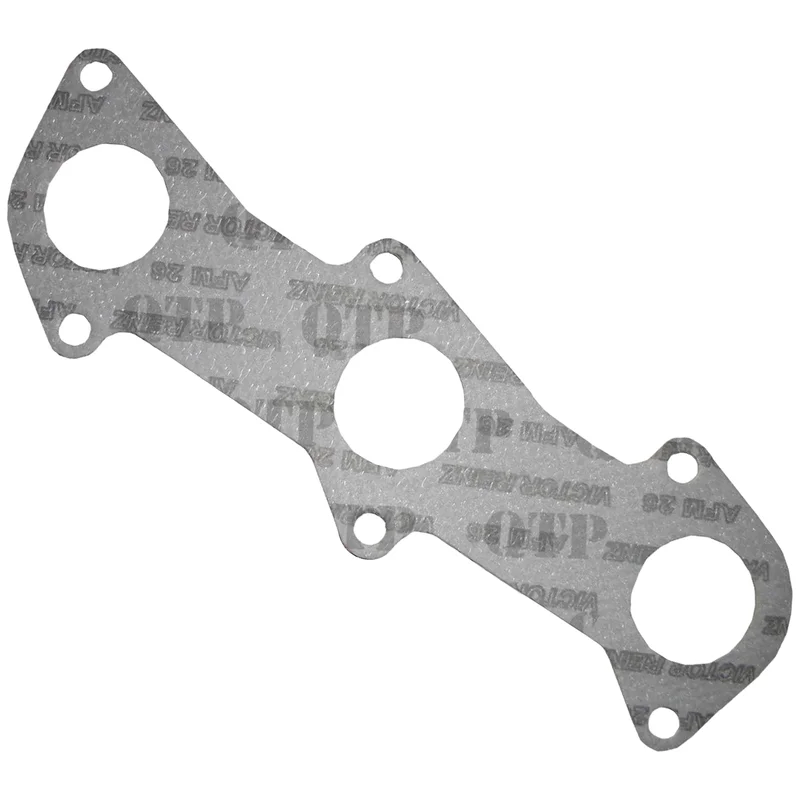
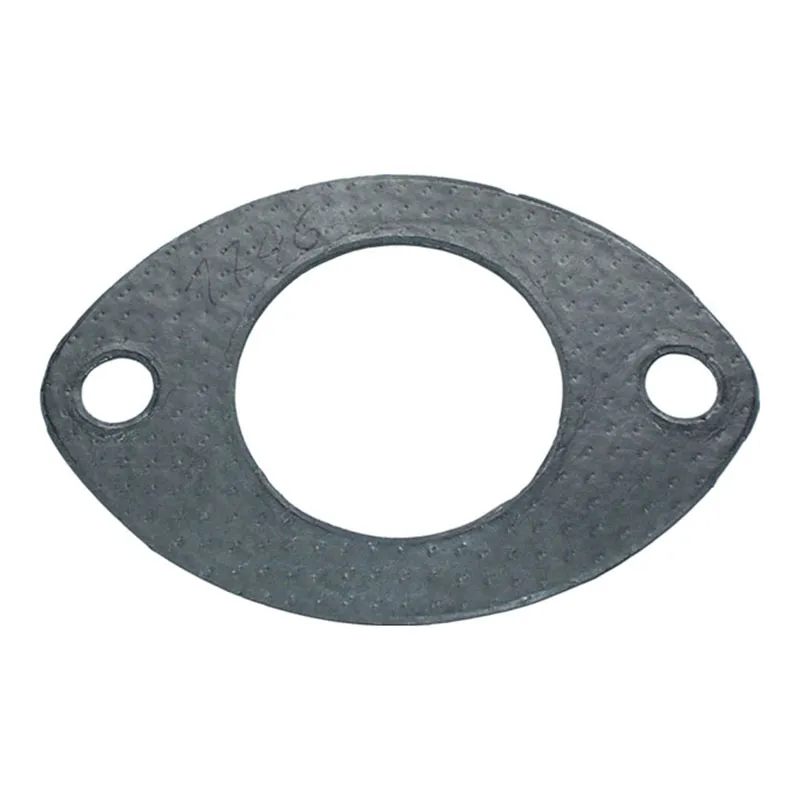
When that telltale ticking sound starts up on cold mornings, you know your exhaust manifold gasket is calling it quits. You’re not just dealing with noise – you’re breathing diesel fumes in the cab and possibly damaging your turbo from improper back pressure. This thick paper gasket creates the proper seal between your manifold and engine head, stopping leaks that rob power and make long days in the field miserable.
What You’re Getting
- Thick paper construction that compresses to seal imperfect surfaces better than rigid metal gaskets
- Heat-resistant materials designed for extreme exhaust temperatures without burning through
- Improved design that handles warped manifolds and worn head surfaces real-world engines develop
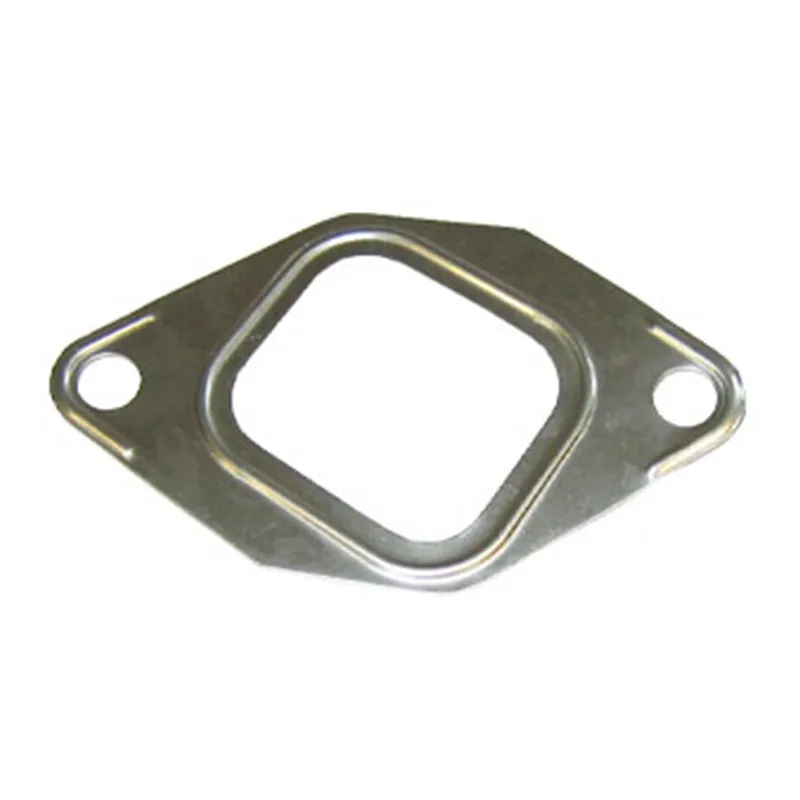
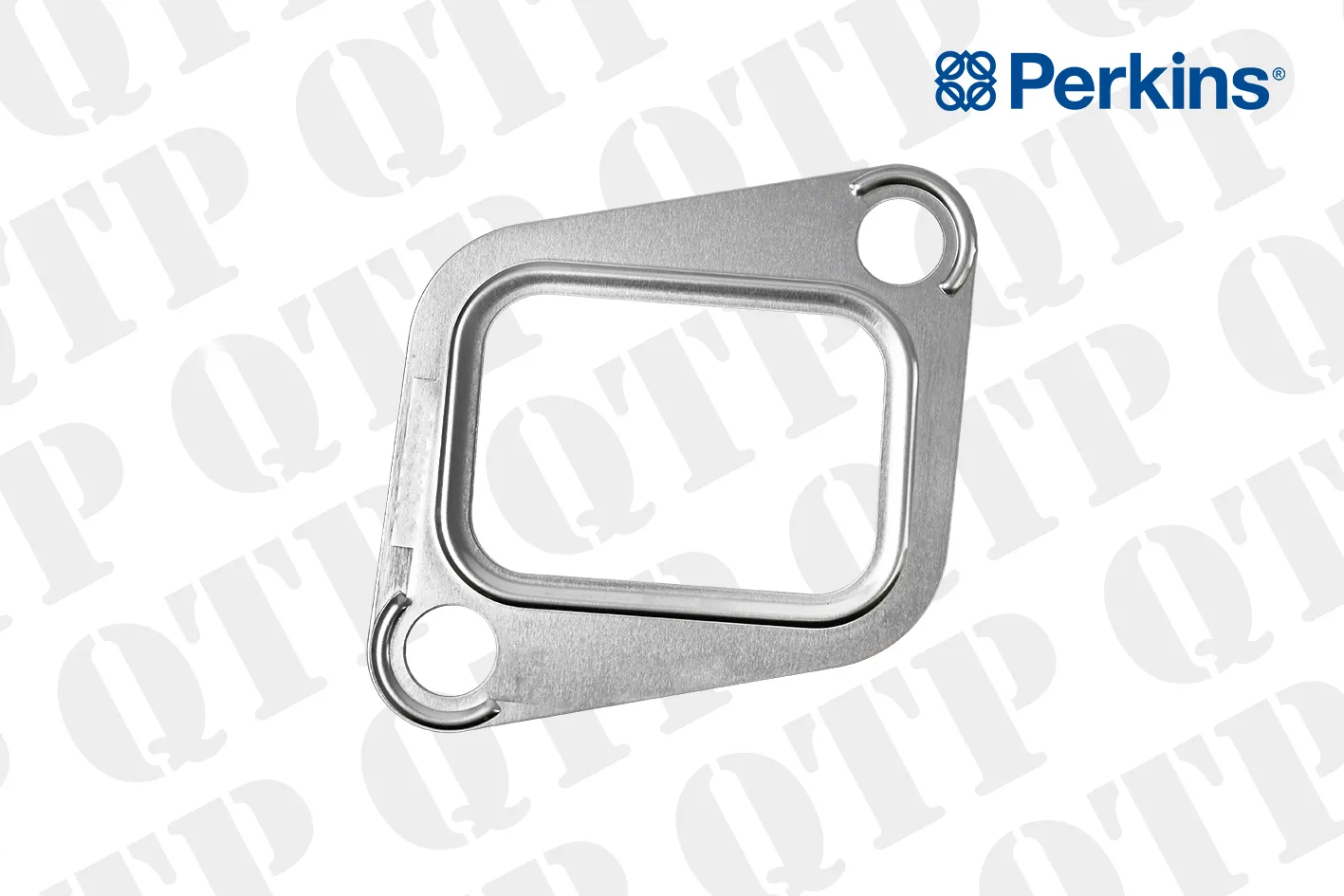
- Cost-effective replacement that often outperforms the original metal version
- Direct fit that installs just like the factory gasket
Built for Real Farm Work
This gasket fits the workhorses in Ford New Holland’s lineup – from the reliable 7810 through the powerful 8970, plus the versatile TM and TS series tractors. It also covers Fiat G170 through G240 models. These are the tractors pulling heavy implements during planting, running balers all summer, and handling the tough jobs that put serious stress on exhaust systems through constant heat cycling.
Made to Last
Farm exhaust systems see brutal conditions – constant heat cycling from varying loads, vibration from field work, and temperature swings that cause manifolds to warp slightly over time. This thick paper design compresses to fill those imperfections that develop on real engines, creating a better seal than the original metal gaskets on surfaces that aren’t perfectly flat anymore.
Installation Notes
This gasket installs dry – don’t use sealers unless you’re dealing with severely pitted surfaces. Apply penetrating oil to the mounting studs the night before – these often break during removal if rushed. When installing, use new gaskets and high-temperature exhaust sealant at connection points. Tighten the manifold bolts gradually from the center outward, and consider replacing all the studs and nuts since they often corrode. If you’re doing one side, check the other – they usually fail around the same time.
Reviews
There are no reviews yet.