
Description
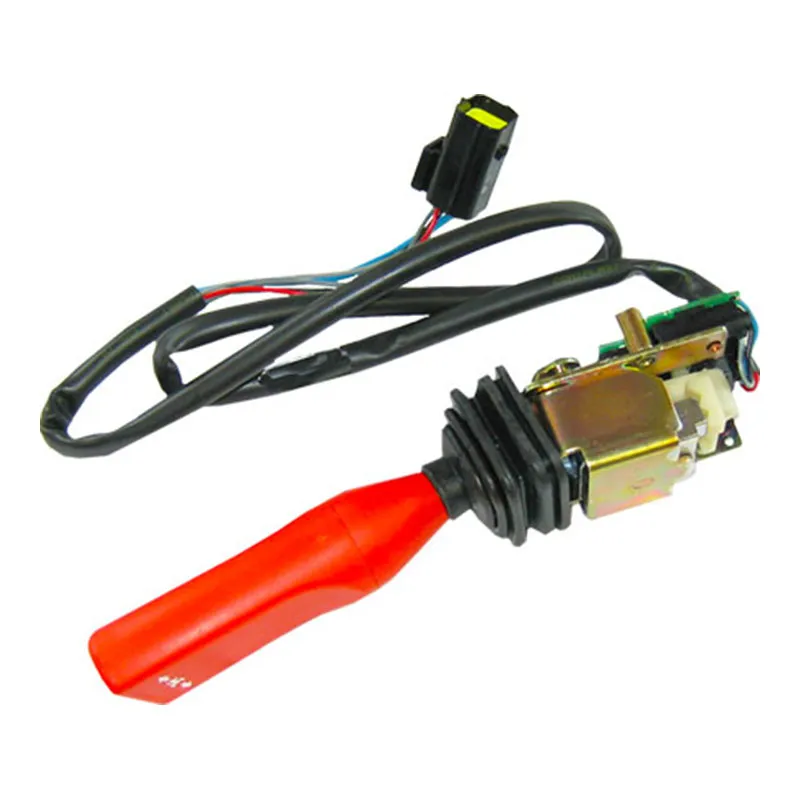
When you’re doing loader work or field finishing that requires frequent direction changes, nothing’s more frustrating than a shuttle switch that hesitates or flat-out quits working. Maybe it won’t go into reverse, hesitates before engaging, or leaves you stuck in neutral at the worst possible moment – that’s when you know it’s time for this replacement. This forward/reverse shuttle switch gets you back to smooth, instant direction changes without clutching, whether you’re loading manure, moving materials around the farmyard, or doing precision fieldwork that requires constant backing and repositioning.
What You’re Getting
- Instant direction changes without wearing out your clutch or grinding gears
- Heavy-duty contacts designed to handle the constant cycling that wears out lesser switches
- Internal mechanisms resist contamination from dust and moisture that eventually defeats original switches
- Positive switching feedback so you always know which direction you’ve selected
- Direct replacement – no modifications or adapters needed
Built for Real Farm Work
This shuttle switch fits Ford’s extensive tractor lineup including TLA, TM, TSA, TS, TL 60 series, and M series tractors. These versatile machines handle everything from loader work around dairy barns to field cultivation where you’re constantly maneuvering. Your power shuttle is what makes loader work efficient – scoop, reverse, dump, forward, repeat hundreds of times a day. It’s what lets you change direction on headlands without clutching or grinding gears.
Made to Last
Farm work puts switches through torture that office equipment never sees. This switch is the critical link between your hand movement and thousands of pounds of tractor changing direction. Think about how many times you work that shuttle lever in a day – every loader bucket, every headland turn, every time you’re maneuvering in tight spaces. This replacement is built to handle that constant use with contacts that won’t stick or corrode even after thousands of operation cycles.
Installation Notes
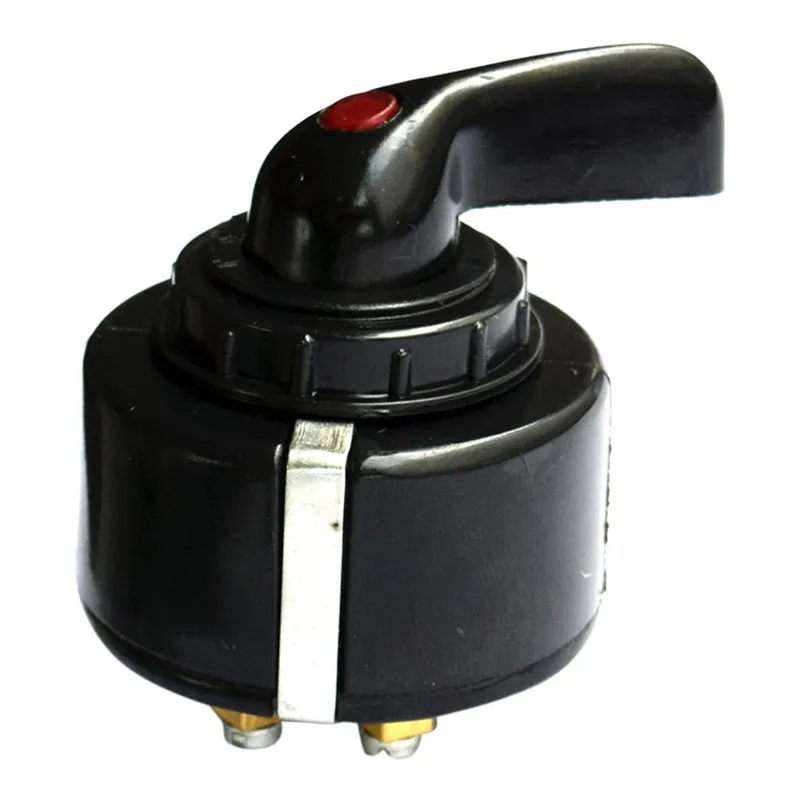
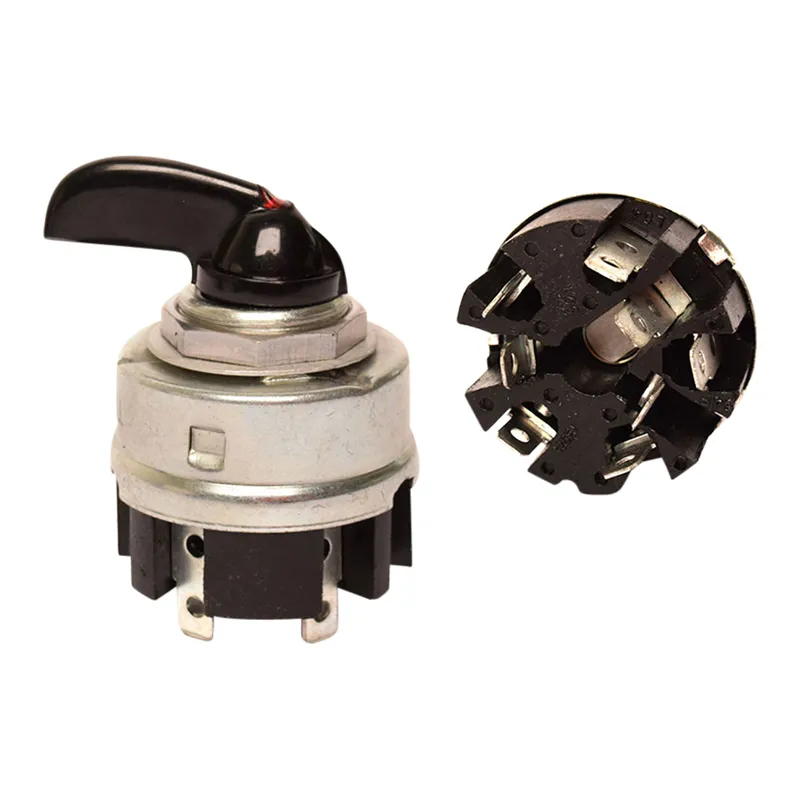
Before condemning the switch, check the basics – loose connections and corroded terminals cause many “switch failures.” Disconnect the battery before starting to prevent electrical shorts or unintended transmission engagement. Take a photo of wire positions before disconnecting – these switches often have multiple connectors that are easy to mix up. Clean all connections while you’re in there, and test the shuttle operation in both directions before buttoning everything back up.
Reviews
There are no reviews yet.