
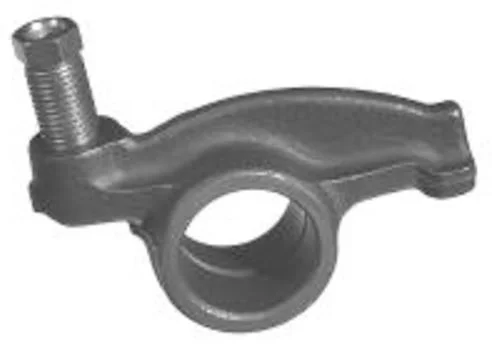
Description
When your engine starts sounding rough or you notice a ticking noise from the valve area, there’s a good chance you’ve got a worn rocker arm that’s not opening or closing the exhaust valve properly. This little part might look simple, but it’s working hard every time your engine fires, converting the camshaft’s rotation into precise valve movement. When it wears out, you’ll lose power and efficiency—and that ticking sound will drive you crazy during long days in the field.
What You’re Getting
- Precision-made rocker arm that provides exact exhaust valve timing for smooth engine operation
- Durable steel construction built to handle thousands of valve cycles per minute
- Proper pivot geometry ensures even wear and consistent valve lift throughout its service life
- Direct OEM replacement that fits without modification—no adjustments needed
Built for Real Farm Work
This rocker arm fits an impressive range of Ford and New Holland tractors from the compact 2000 series utility tractors all the way up to the big 8000 series row-crop machines. Whether you’re running a three-point hitch on your 3000, pulling a planter with your 5000, or pushing a big cultivator with your 7000, this is the same rocker arm that came in your engine from the factory. These tractors see hard use in everything from hay operations to row-crop farming, and the valve train takes a beating keeping up with the demands.
Made to Last
TISCO builds this rocker arm to OEM specifications using quality steel that can handle the constant stress of opening and closing exhaust valves. The pivot surfaces are properly hardened to resist wear, and the geometry is spot-on to ensure your exhaust valve opens fully and closes completely every time. It’s designed to go the distance in engines that might run 2000 hours a year or more.
Good to Know
Replacing rocker arms isn’t terribly complicated, but you’ll want to check your valve clearances after installation to make sure everything’s running right. If one rocker arm is worn enough to replace, it’s worth checking the others while you’ve got the valve cover off. A quick tip: when you’re in there, take a look at your valve springs and keepers too—they often wear at similar rates.
Reviews
There are no reviews yet.