
Description
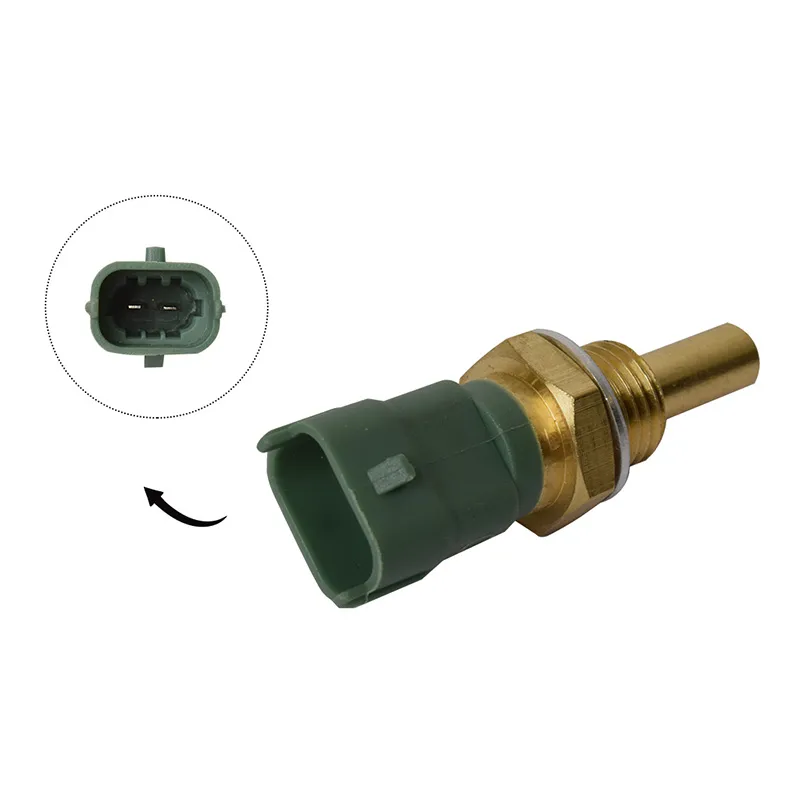
When your temperature gauge starts acting up or your engine’s running hotter than usual, this coolant temperature sensor might be the culprit. Temperature sensors work by varying electrical resistance as temperature changes, and this sensor is calibrated to match your tractor’s specific gauge, ensuring accurate readings across the entire temperature range. This sensor ensures your cooling system gauge provides accurate readings, allowing operators to detect potential overheating conditions before catastrophic engine failure occurs.
What You’re Getting
- The sensing element responds quickly to temperature changes, warning you of problems before damage occurs
- Quality internal components ensure accurate readings throughout its service life, not just when it’s new
- The robust construction handles the constant vibration and temperature swings that come with diesel engine operation
- Direct replacement that connects to your existing wiring harness without modifications
- The electrical connection is designed to stay secure despite engine vibration, preventing the intermittent gauge problems that drive operators crazy
Built for Real Farm Work
This sensor fits a wide range of New Holland tractors from the T5 utility series through the powerful T7 models, plus Case IH Maxxum, MXU, and Puma tractors. Whether you’re baling, doing loader work, or running a tedder, knowing your actual coolant temperature is essential. Modern engines run hotter for emissions compliance, leaving less margin for error.
Made to Last
The threaded body uses proper materials to prevent galvanic corrosion that plagued some aftermarket units. The sealed design prevents moisture intrusion and corrosion, so it keeps working season after season in the dusty, wet conditions that come with farm work.
Installation Notes
Replacing a temperature sensor is straightforward but requires care. First, let the engine cool completely and relieve cooling system pressure. You’ll lose some coolant when removing the old sensor, so have a catch pan ready. Clean the threads in the mounting boss – old sealant or corrosion causes leaks. Use thread sealant rated for coolant contact, but don’t overdo it – excess sealant inside can affect readings.
Reviews
There are no reviews yet.