
Description
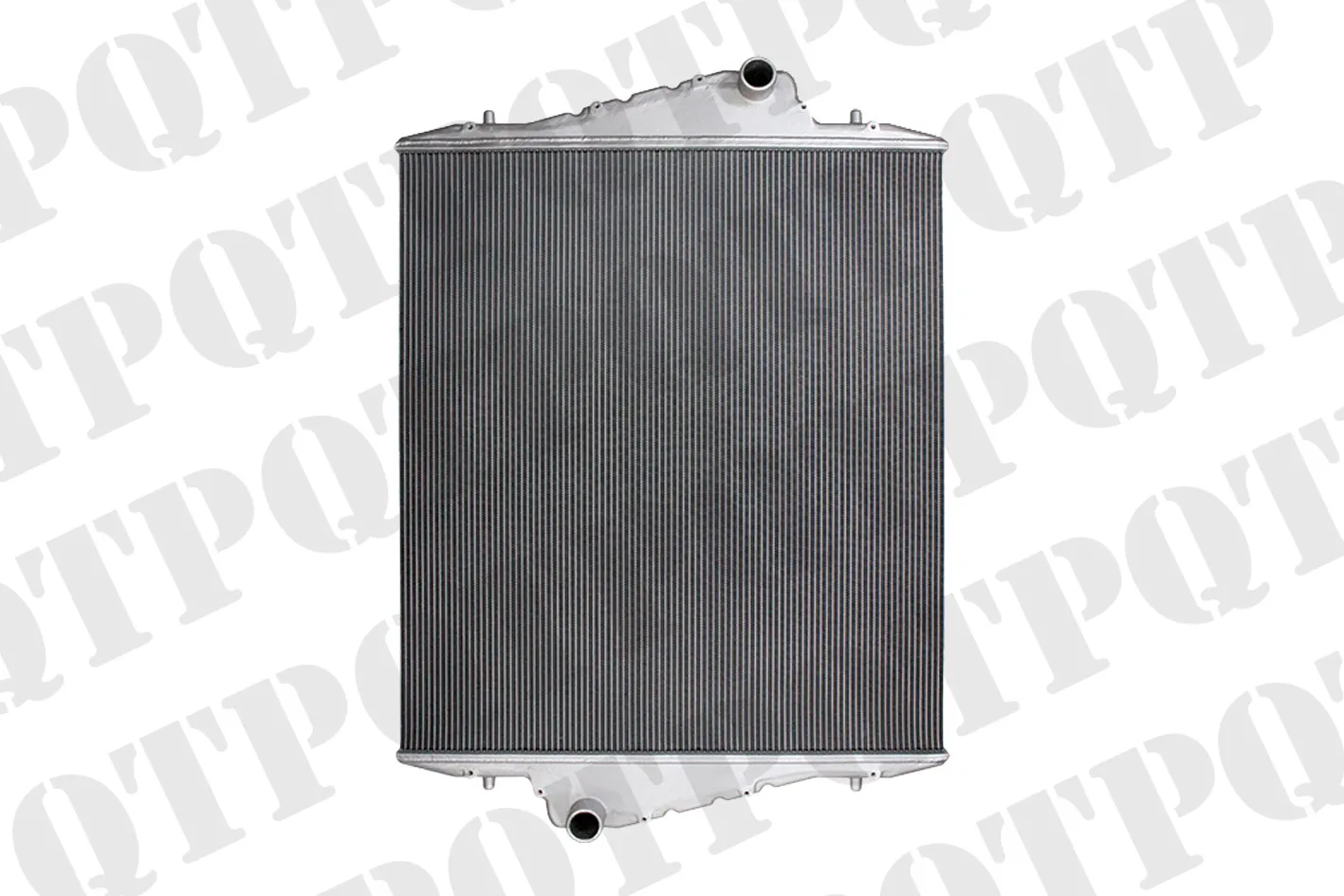
When you’re running a high-horsepower 9030 series tractor through heavy field work or long harvest days, an overheating engine isn’t just inconvenient—it’s expensive. If you’ve noticed that temperature gauge creeping up during tough pulls or seen coolant puddles under your machine, your radiator’s telling you it’s time for retirement. Don’t risk cooking that big engine when this direct replacement can get you back to reliable cooling.
What You’re Getting
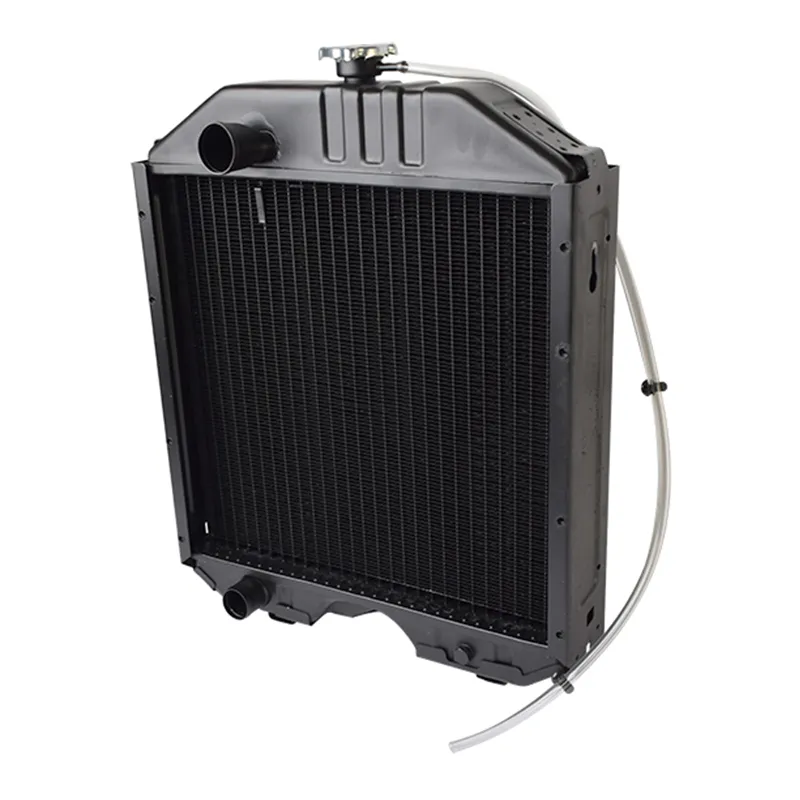
- Heavy-duty core construction designed to handle the heat output of these powerful engines
- Multiple cooling rows that maximize heat transfer while resisting damage from chaff and debris
- Robust fin design that promotes airflow even in dusty conditions
- Direct bolt-in replacement that matches your original mounting points perfectly
- Professional-grade materials built to withstand farm use and temperature extremes
Built for Real Farm Work
These 9030 series tractors are serious workhorses—whether you’re running a 9230 on a grain operation, pushing a 9530 through heavy tillage, or pulling implements with a 9630. When you’re moving that much horsepower through demanding work like deep ripping, heavy planting, or harvest operations, your cooling system works overtime. A failing radiator shows up as climbing temperatures under load, mysterious coolant loss, or visible leaks that leave you checking fluid levels daily.
Made to Last
Farm radiators take abuse from dust, debris, and temperature swings that would kill automotive parts in a season. This one’s built with the same heavy-duty materials and construction as the original, so it’ll handle everything from sub-zero winter starts to blazing summer days without letting you down. The core design resists clogging while providing maximum cooling efficiency for your big engine.
Installation Notes
Installation typically takes an afternoon and requires draining your cooling system first. While you’ve got things apart, it’s smart to check your water pump, hoses, and radiator cap—cooling system parts tend to wear together. While you’ve got the old one out, check all the hoses – it’s foolish to connect old, cracked hoses to a fresh radiator. Clean any debris buildup and inspect mounting rubbers. Use proper coolant mixture, not straight water, and bleed air pockets carefully.
Reviews
There are no reviews yet.