
Description
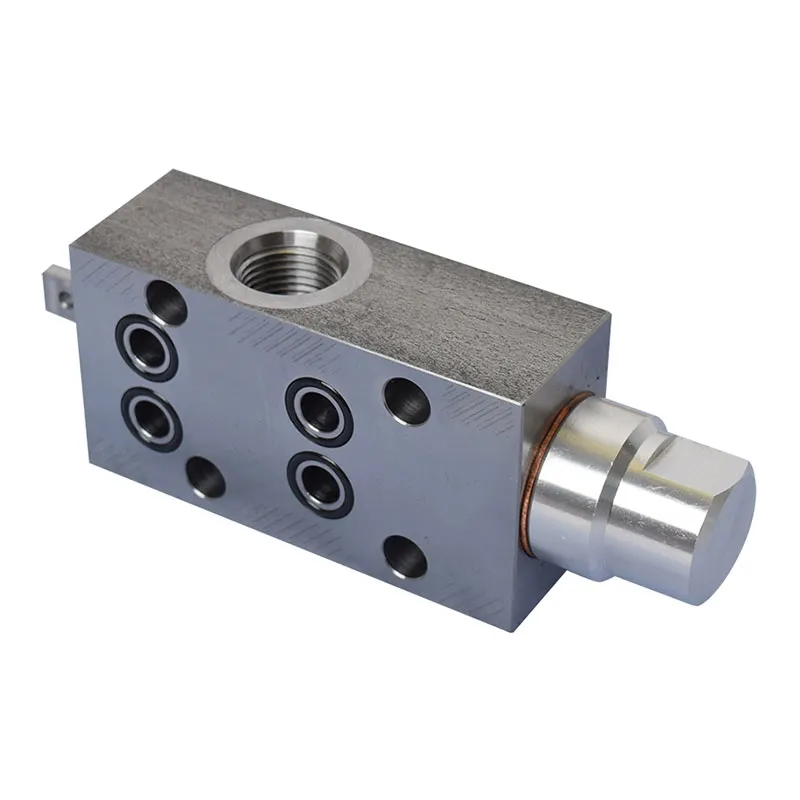
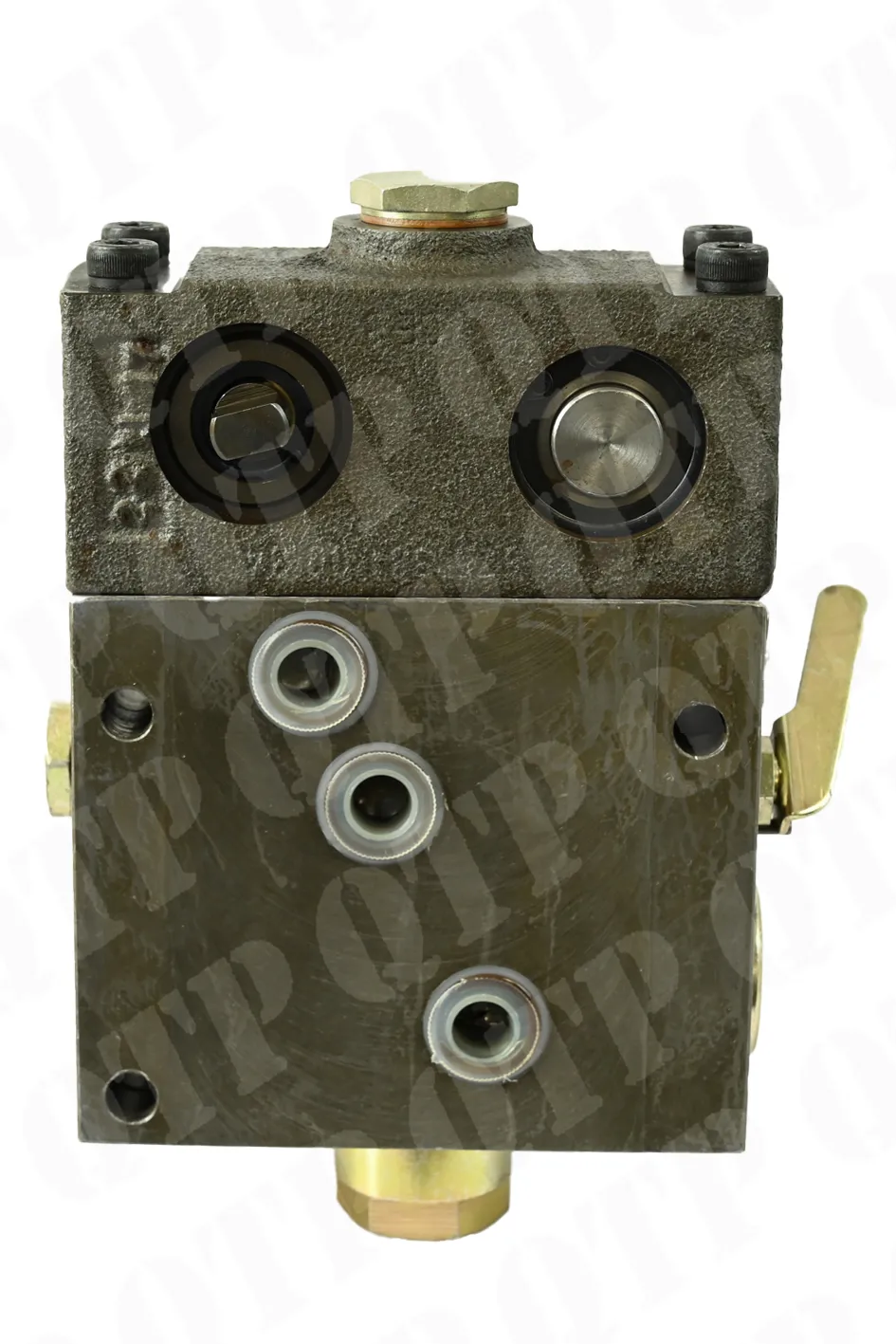
When your tractor’s hydraulic system isn’t responding like it used to, or you need to add more remote outlets for modern implements, a worn selective control valve is often the culprit. Your tractor’s selective control valve is command central for all your hydraulic functions. This universal replacement fits a massive range of classic John Deere tractors, giving you back the precise hydraulic control you need for everything from loader work to running hydraulic cylinders.
What You’re Getting
- One valve block that covers dozens of John Deere models – from compact 820s to powerful 3640s
- Precision-machined construction that handles high system pressures without internal leakage
- Quality spools and bore tolerances that ensure smooth operation season after season
- Direct replacement design – no modifications needed for most installations
Built for Real Farm Work
These John Deere tractors span decades of farm service, from compact orchard tractors to row-crop workhorses. Whether you’re operating a front-end loader on your 2040, controlling a backhoe on your 1030, or running hydraulic markers on your 3140’s planter, this selective control valve manages the hydraulic flow. It’s the difference between having basic hydraulics and having the precise control you need for modern implements and attachments.
Made to Last
Selective control valves live a hard life – constantly cycling under high pressure, exposed to temperature extremes, and handling contamination that gets past your filters. This replacement valve features robust construction that handles system pressures without internal leakage. Quality spools and precision bore tolerances ensure smooth operation and long service life, even with the demanding hydraulic requirements of modern farming.
Installation Notes
Installing a selective control valve is a job that requires patience and absolute cleanliness. Any dirt or debris that enters during installation will damage your new valve and potentially your entire hydraulic system. Remove the old valve carefully, noting the position and routing of all hydraulic lines – taking photos helps immensely during reassembly. Don’t forget to use new O-rings on all connections and check your hydraulic pump capacity if you’re adding new functions.
Reviews
There are no reviews yet.