
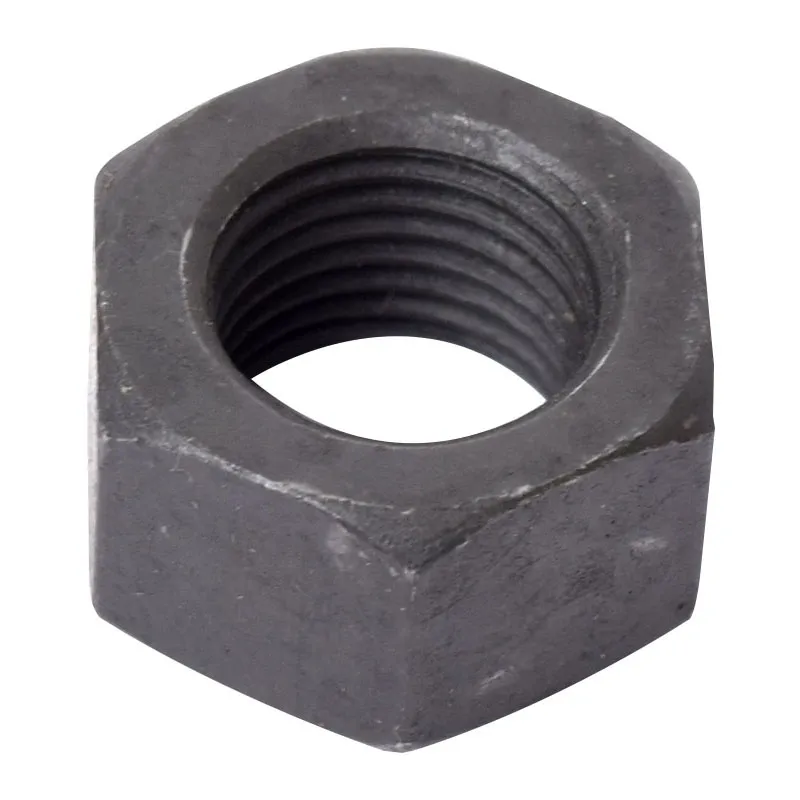
Description
When you’re rebuilding that Perkins engine and you find connecting rod nuts that are worn, stretched, or just questionable, it’s time to replace them with quality hardware you can trust. These connecting rod nuts hold the rod caps in place under thousands of pounds of pressure, so there’s no room for compromise. A failed conrod nut means catastrophic engine damage—and that’s a repair bill nobody wants to face when the crops need harvesting.
Key Features
- Precision-manufactured to exact OEM specifications for reliable engine assembly
- High-tensile steel construction withstands the extreme forces of diesel combustion
- Proper thread pitch and torque specifications ensure secure, long-lasting connections
- Direct replacement for worn or damaged connecting rod nuts in your engine rebuild
- Quality materials resist galling and thread damage during installation
Built for Real Farm Work
These Massey Ferguson tractors powered by Perkins engines are workhorses found on farms running everything from grain operations to cattle ranches. The 100 and 200 series are popular mid-range tractors perfect for operations handling 200-500 acres, while the 500 and 600 series handle heavy-duty work like deep tillage, large hay operations, and commercial farming. Whether you’re running a disk, planting corn, cutting silage, or pulling heavy implements, a properly sealed engine keeps you working when you need it most. Your engine’s connecting rods and nuts take a beating with every power stroke, handling the force that drives your hydraulics, PTO, and everything else that makes your tractor work.
Made to Last
Engine internals aren’t something you want to skimp on. These nuts are manufactured from high-grade steel that’s been heat-treated for the right balance of strength and durability. They’ll handle the thermal cycling and mechanical stress of heavy farm work without loosening up or developing stress cracks that lead to failure.
Installation Notes
Always replace connecting rod nuts as part of a complete engine rebuild—never reuse old ones even if they look okay. Follow the proper torque sequence and specifications for your engine. Use a quality torque wrench and double-check your work. Clean all threads thoroughly and use the recommended thread locker if specified. This isn’t a job to rush through.
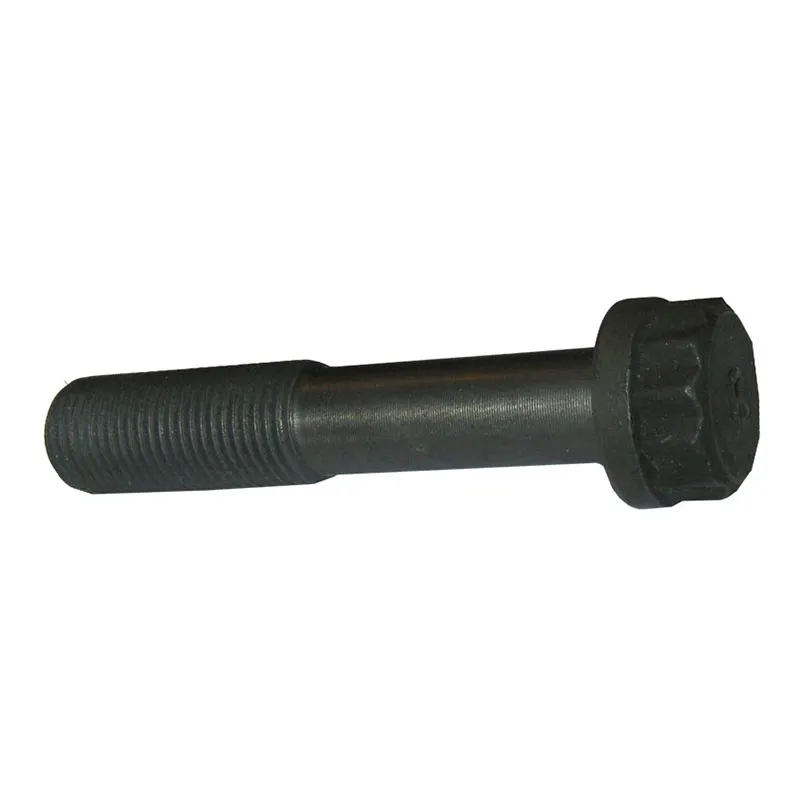
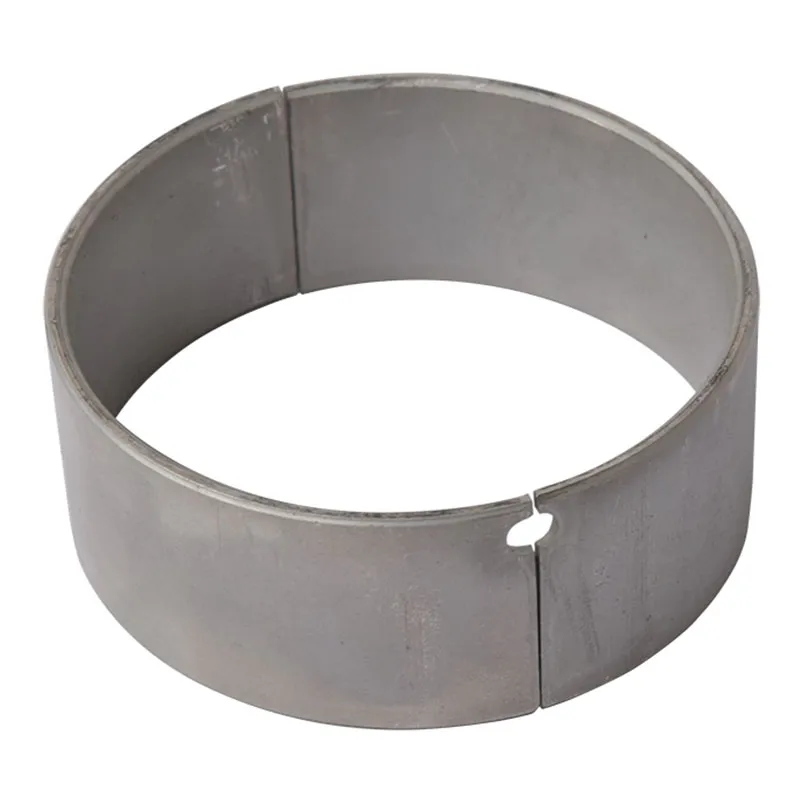
Reviews
There are no reviews yet.